
How to Choose the Right Plot in Dubai for Residential or Commercial Use?
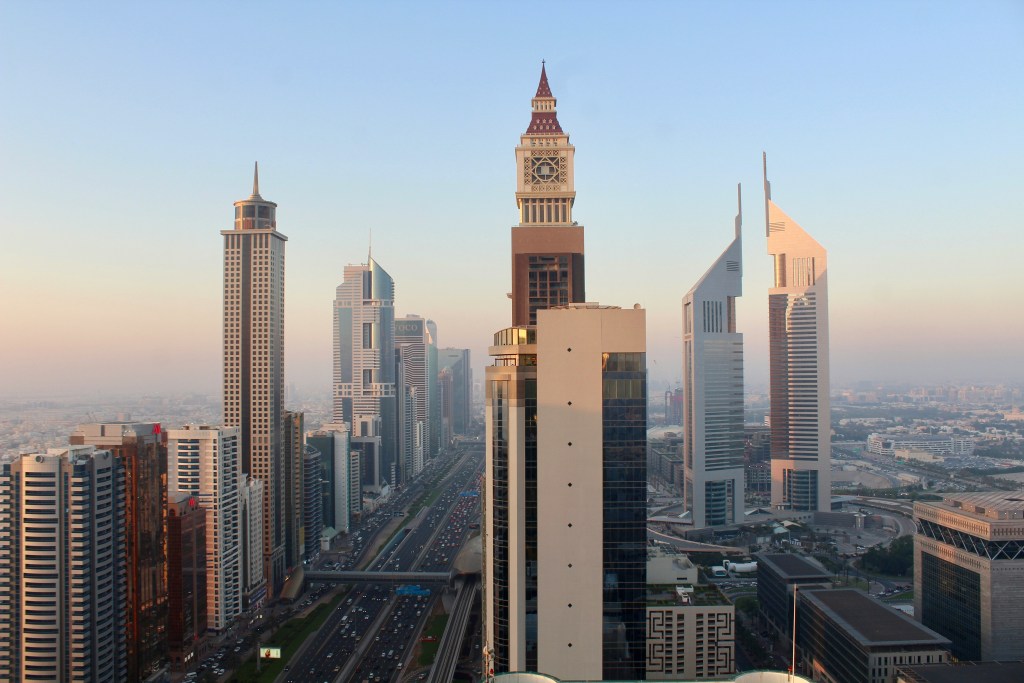
Dubai has emerged as a global hub for real estate investment, offering a wealth of opportunities for both residential and commercial development. Its rapid urban growth, investor-friendly policies, and strategic location have turned the emirate into a magnet for builders, developers, and individual buyers alike. However, with a dynamic market and numerous factors influencing land value and usability, selecting the right plot requires more than just capital—it demands strategy, research, and an understanding of legal and infrastructural frameworks.
Understanding Dubai’s Land Investment Landscape
Why Dubai Remains a Hotspot for Real Estate Development
Dubai continues to be a magnet for global investors due to its world-class infrastructure, tax-free income policies, political stability, and strategic geographic location. The city’s ambitious Vision 2040 Urban Master Plan and consistent regulatory reforms have opened new avenues for land development—particularly in suburban areas, logistics corridors, and special economic zones. This growth is especially evident in the surge of commercial estate for sale, as businesses seek to capitalize on Dubai’s thriving trade, tourism, and service sectors. Whether you are establishing a retail outlet, office tower, warehouse, or mixed-use commercial hub, investing in land in Dubai offers long-term value, high rental yield potential, and future-ready returns.
Key Sectors: Residential vs Commercial Demand
Residential demand is fueled by population growth, expatriate-friendly policies, and ongoing demand for family-friendly communities. Meanwhile, commercial land is in demand due to Dubai’s growing role as a business and logistics hub. Free zones like Dubai South and Dubai Silicon Oasis attract tech and logistics companies, while central business districts like Business Bay and Downtown Dubai are perfect for high-rise commercial spaces. Understanding where demand is rising helps investors make informed decisions.
Freehold vs Leasehold Zones Explained
Dubai offers both freehold and leasehold land options:
- Freehold zones allow full ownership by foreign nationals, mostly in designated areas like JVC, Dubai Marina, and Downtown Dubai.
- Leasehold zones offer rights for long-term lease (up to 99 years) but are generally limited to UAE or GCC nationals, or offered under specific government partnerships.
Investors should understand the implications of each before committing capital.
Step-by-Step Guide to Choosing the Right Plot in Dubai
Step 1 – Define Project Purpose (Residential or Commercial)
Before scouting locations or budgeting, define your plot’s purpose. Are you building a private villa, launching a housing community, or creating a commercial retail space? Your project’s intent determines location, size, zoning, and legal processes. Residential buyers often prioritize community ambiance and family-friendliness, while commercial developers seek traffic, accessibility, and visibility.
Step 2 – Select Location Based on Demographic & Accessibility
Your plot should cater to its intended user. Residential areas thrive near schools, parks, and public transport. Commercial plots require high foot traffic and centrality. For example:
- JVC: Ideal for affordable residential housing
- Dubai South (DWC): Suited for logistics or commercial warehousing
- Downtown Dubai: Premium location for luxury commercial developments
Evaluate future infrastructure projects too, such as metro expansions or airport proximity, which can greatly impact land value.
Step 3 – Evaluate Land Zoning and Usage Regulations
Each plot in Dubai is subject to zoning laws defined by the Dubai Municipality and DLD. Zoning determines whether a plot can be used for villas, apartment complexes, retail, hospitality, or mixed use. Avoid assuming flexibility in usage—always verify with official planning authorities.
Step 4 – Analyze Plot Size, Orientation & Layout Potential
Plot dimensions influence building design, capacity, and sunlight exposure. Wider frontages are better for commercial display purposes, while north-facing plots may offer energy savings. Ensure the plot allows for your preferred layout and expansion options, and isn’t constrained by unusual shapes or elevation challenges.
Step 5 – Investigate Infrastructure Availability (Utilities, Roads, Internet)
Plots that lack access to key infrastructure—like electricity, sewage, water, and internet—can delay or increase construction costs. Make sure roads are developed or in active planning stages. Proximity to power substations, water lines, and internet grids is crucial, especially for commercial plots.
Step 6 – Check Proximity to Key Urban Elements (Transport, Schools, Malls)
A well-situated plot not only appreciates faster but also offers greater convenience to end users. Evaluate distance to:
- Public transportation (Metro stations, bus routes)
- Hospitals and schools (especially for residential projects)
- Commercial centers and malls (for both residential appeal and commercial footfall)
Legal & Regulatory Considerations Before Buying Land
DLD (Dubai Land Department) Guidelines for Land Ownership
The DLD regulates all real estate transactions in Dubai. Before purchasing land, ensure that the plot is registered with the DLD and verify ownership titles. DLD also provides escrow account options for off-plan land developments and supports digital transactions via the “Dubai REST” app.
Documentation Required for Foreign and Local Investors
Foreign investors need to submit:
- Passport copy
- Residency visa (if applicable)
- Emirates ID
- Proof of funds and No Objection Certificate (NOC) for company-owned plots
Local investors require Emirates ID and property registration documents. Legal representation and a certified broker are recommended for both.
Land Classification Types in the UAE (Residential, Commercial, Mixed)
Every plot is assigned a classification:
- Residential: Villas, townhouses, apartment blocks
- Commercial: Office buildings, retail shops, warehouses
- Mixed-use: Combines both with shared amenities
Confirm classification with Dubai Municipality and ensure your design plan aligns with the designation.
Plot Ownership Transfer Process & Timeline
The process includes:
- Seller and buyer sign a Memorandum of Understanding (MOU)
- Initial deposit (usually 10%) is paid
- DLD conducts ownership verification
- NOCs obtained
- Transfer completed at the DLD office or authorized trustee center
The full process can take between 1-4 weeks depending on documentation and approvals.
Sheikh Zayed Housing Program Land Access Rules
UAE nationals can benefit from government-supported land via the Sheikh Zayed Housing Program. These plots are earmarked for citizens and come with financial aid options. Investors interested in collaborating with such government schemes must meet specific criteria and partnership terms.
How to Assess Plot Value and Investment Potential
Land Valuation Methods Used in Dubai
Common valuation methods include:
- Comparable Sales Approach: Based on recently sold plots nearby
- Residual Land Valuation: Used by developers; calculates value based on potential project profit
- Income Capitalization Method: Used for commercial land, based on expected rental income
Valuations must be done by RERA-registered professionals for credibility.

Comparing Price Per Square Foot Across Regions (DSO, DWC, JVC, etc.)
Prices vary dramatically:
- Dubai Silicon Oasis (DSO): AED 200-300/sq.ft for mixed-use
- Dubai South (DWC): AED 100-180/sq.ft for commercial
- Jumeirah Village Circle (JVC): AED 250-400/sq.ft for residential
Studying historical data and future development plans is key to making informed decisions.
Factors Affecting ROI on Land – Location, Zoning, Amenities
Plots near transport corridors, planned metro stations, or major community developments yield higher ROI. Zoning flexibility also enhances value. Nearby schools, parks, and retail centers increase plot appeal, especially for residential investments.
Tax Considerations & Long-Term Asset Appreciation
Dubai has no annual property tax, inheritance tax, or capital gains tax, making land investments attractive for long-term holdings. However, 5% VAT may apply to certain commercial transactions. Appreciation depends on infrastructure delivery and masterplan execution.
Using RERA and DLD Data for Market Benchmarking
Both RERA and DLD offer public access to sales data, transaction histories, and area-wise trends. Investors can use tools like Dubai REST and Smart Investment Map to compare valuations and make data-driven choices.
Choosing Between Residential and Commercial Plots: Key Differences
Legal Constraints and Permits
Commercial developments often require more extensive permits, safety compliance, and government approvals. Residential builds are faster to clear but may have stricter community aesthetic guidelines.
Construction Timelines and Delivery Expectations
Commercial builds, especially high-rise or industrial, take longer and demand phased delivery. Residential construction, such as villas or townhomes, follows a simpler timeline. However, both require adherence to Dubai Municipality standards.
Utilities and Licensing Differences
Commercial plots require licensing for trade activities, health and safety, fire protection, and more. Residential licenses are simpler but must conform to community management rules. DEWA (Dubai Electricity and Water Authority) requirements vary for each.
Revenue Potential and Rental Yield Comparisons
Residential properties offer steady income and long-term tenants, while commercial yields may be higher but riskier due to business cycles. For example:
- Residential yields in JVC: 6-7%
- Commercial yields in DSO or Business Bay: 7-9% depending on demand
Target Buyers/Users for Each Property Type
Residential plots attract families, investors building for resale, or end-users. Commercial buyers are often developers, institutions, or international firms looking for office/showroom spaces. Knowing your target audience shapes your strategy and budget.
Common Mistakes to Avoid in Land Acquisition
Ignoring Soil and Environmental Conditions
Always conduct geotechnical studies to understand soil strength, water tables, and drainage. These factors affect construction cost and feasibility.
Not Verifying Developer or Seller Credentials
Only deal with DLD-approved developers and registered brokers. Ensure the seller owns the plot free from debt or disputes. Title deed and encumbrance certificate must be verified.
Underestimating Legal & Government Approval Timeframes
Zoning changes, permits, and clearances can take weeks to months. Never start construction before approvals, or you risk legal penalties and project delays.
Skipping Feasibility Studies Before Purchase
Before buying, conduct a full feasibility study assessing market demand, competition, pricing, and ROI. This helps in avoiding land banking without returns.
Not Understanding Masterplan Restrictions
Every zone follows a master plan with strict guidelines on building height, FAR (floor area ratio), road access, and aesthetics. Ignoring these can result in fines or construction halts.
Ayat Development’s Proven Success in Plot Selection & Development
Overview of Ayat’s Strategic Land Acquisitions
Ayat Development has built its reputation on selecting prime plots that offer both long-term growth and lifestyle value. Its selection strategy integrates market analysis, urban planning trends, and infrastructure forecasts.
Ayat Oasis: Why That Plot Was Ideal for a Community Project
Located near Al Furjan, Ayat Oasis was chosen for its accessibility, peaceful surroundings, and future metro expansion. The area was undervalued at purchase, delivering strong capital growth post-completion.
Ayamore Residence: Residential Location Advantage Case Study
Ayamore Residence sits in a family-centric neighborhood with proximity to schools, hospitals, and transport. The land selection capitalized on both emotional appeal for buyers and strong end-user demand.
Park View Project: Blending Accessibility & Lifestyle
Park View was strategically placed near green spaces and main road arteries. This helped in creating a premium, wellness-focused living environment attractive to high-income families.
Collaborations with Sheikh Zayed Housing & Government Plots
Ayat has successfully collaborated with UAE housing authorities to acquire land for Emirati housing initiatives, aligning with national development goals while contributing to community welfare.
Final Thoughts
Choosing the right plot in Dubai is a multi-dimensional process that requires careful planning, legal understanding, and market insight. Whether you’re a first-time investor or a seasoned developer, aligning your goals with Dubai’s evolving real estate landscape is key. With a strategic approach and expert guidance—as demonstrated by Ayat Development—land investment in Dubai can be a lucrative and legacy-building endeavor.