
How to Evaluate ROI in Commercial Real Estate Projects in the UAE
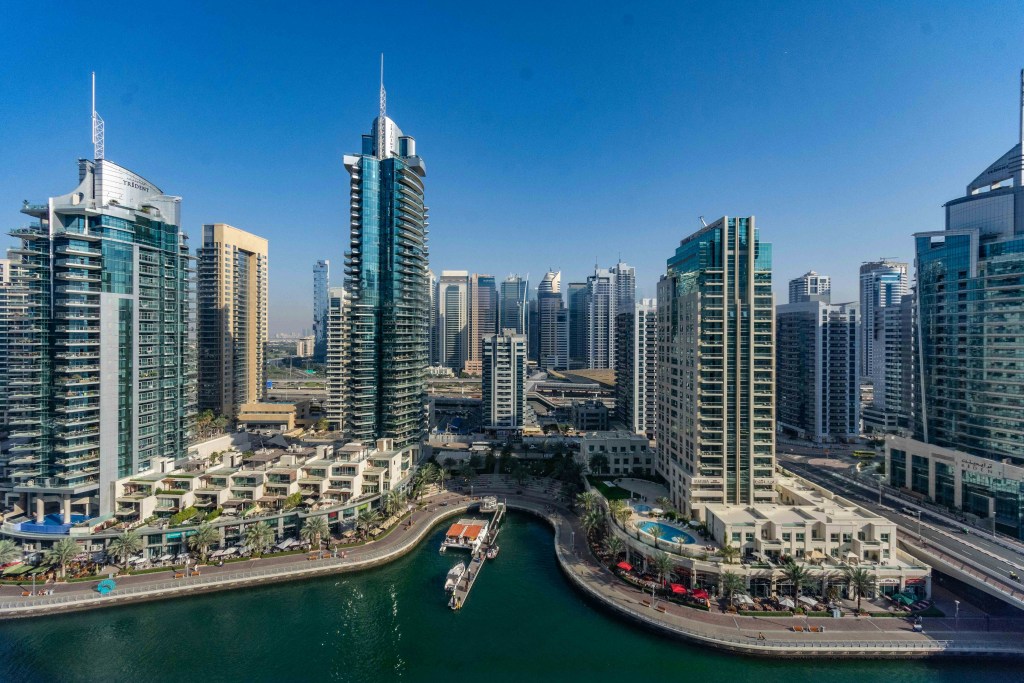
The UAE commercial real estate market is one of the most dynamic and lucrative investment destinations globally. Dubai stands out for its mega-projects, futuristic infrastructure, and investor-friendly environment. From Grade-A office towers in DIFC to luxury waterfront retail outlets near Dubai Marina, the opportunities are vast.
However, while the market outlook is strong, successful investment requires careful ROI evaluation. Whether you’re considering a buy-to-let commercial unit in Dubai, a logistics warehouse near Jebel Ali Port, or a retail property in a high-footfall zone, you need to measure the financial returns against your investment.
In this detailed guide, we’ll cover how to evaluate ROI step by step, using Ayat Development’s commercial projects and wider UAE benchmarks as examples. By the end, you’ll understand not only the metrics like cap rate, rental yield, and financing models, but also how to factor in risks, government policies, and long-term growth sectors.
1. Understanding ROI in UAE Commercial Real Estate
At its core, Return on Investment (ROI) measures how profitable a property is relative to its acquisition and ongoing costs. In the UAE, ROI is one of the most cited indicators when evaluating properties, especially by international investors comparing Dubai to other global markets like London, Singapore, or New York.
For commercial property investments in Dubai, ROI includes:
- Rental Income (monthly or annual lease payments)
- Capital Appreciation (property value growth over time)
- Tax Benefits (UAE’s tax-free structure on property income)
- Brand Positioning (being in premium business hubs like DIFC, Downtown, or Dubai Internet City)
ROI Formula:
ROI (%) = (Net Annual Income / Total Investment) × 100
Example: If a commercial tower in Business Bay generates AED 900,000 annually and the total investment was AED 9 million, the ROI equals 10%.
2. Cap Rate Analysis in Dubai
The Capitalization Rate (Cap Rate) is another key tool to measure profitability. Unlike ROI, which looks at return on invested capital, cap rate isolates property income against its purchase price.
Cap Rate Formula:
Cap Rate (%) = Net Operating Income ÷ Purchase Price × 100
High cap rates can signal higher returns but often mean higher risk (emerging districts). Low cap rates, found in stable areas like Downtown Dubai or Dubai International Financial Centre (DIFC), indicate lower risk with steady returns.
Ayat’s Benchmark
Ayat’s commercial real estate projects on Dubai Islands regularly achieve 6%–8% cap rates, outperforming many average market projects. This is due to strategic location selection, demand-driven design, and competitive rental positioning.
3. Rental Yield in Dubai’s Commercial Market
Rental yield measures how much rental income a property generates relative to its purchase price. It’s especially crucial for investors seeking steady cash flow.
Formula:
Rental Yield (%) = (Annual Rent ÷ Property Value) × 100
Typical Dubai commercial yields:
- Grade-A Offices in DIFC: 5%–6%
- Retail Spaces in Prime Malls: 6%–8%
- Warehousing near Jebel Ali Port: 7%–9%
Ayat’s Rental Strategy
Ayat properties designs and its projects in high-demand zones — close to metro stations, business districts, or tourist hubs — to secure premium yields. Their tenant profiling and property management ensure minimal vacancy and maximized occupancy.
4. Financing Models for Commercial Real Estate
In Dubai, investors benefit from flexible financing models that can significantly impact ROI. Options include:
- Direct Purchase: Ideal for high-liquidity investors.
- Mortgage Financing: Bank loans with competitive interest rates.
- Joint Ventures: Shared investments in high-value plots or towers.
- Developer Payment Plans: Flexible installment schemes spread over years.
Ayat’s Flexible Financing
Ayat offers tailored payment schedules and even profit-sharing options for premium commercial estates. This attracts both first-time foreign investors and large-scale institutional buyers.
5. Market Benchmarks and Growth Sectors
Dubai is not a uniform market. Returns vary greatly depending on sector and location. To accurately assess ROI, compare your asset against market benchmarks:
- Logistics & Warehousing: Driven by e-commerce and Dubai’s global trade hub status.
- Premium Office Towers: Strong demand from multinationals setting up regional HQs.
- Luxury Waterfront Retail: Tourism-led demand in hotspots like Dubai Marina & Jumeirah Beachfront.
- Mixed-Use Developments: Combining retail, offices, and hospitality for diversified income.
Authority Context: Investments should always consider RERA (Real Estate Regulatory Agency) compliance and Dubai Land Department regulations, which enforce transparency and protect investor rights.
6. Using Ayat’s Real-World Data for ROI Projections
Numbers tell the story. Ayat provides investors with access to:
- Past project performance reports
- Occupancy rates
- Current market rental growth data
Case Example:
An Ayat-developed office tower near Dubai Creek Harbour achieved a 7.5% rental yield in its first year — 1.2% higher than the Dubai average for Grade-A commercial offices.

7. Growth Sectors in UAE Commercial Real Estate
The UAE’s commercial landscape continues to evolve. Some of the fastest-growing sectors include:
- Logistics & Warehousing near Jebel Ali – driven by Dubai’s role as a global trade hub.
- Luxury Retail in Dubai Waterfront Districts – benefiting from tourism inflows and high-net-worth residents.
- Grade-A Offices in DIFC and Downtown – regional HQ demand from Fortune 500 companies.
- Healthcare & Education Real Estate – growing with population expansion and government initiatives.
Ayat’s Positioning
Ayat aligns its developments with these growth sectors, ensuring long-term resilience and above-market performance.
8. Risk Management in ROI Evaluation
Every investment carries risk. Key risks in Dubai’s property sector include:
- Vacancy Rates: Can reduce net yield.
- Tenant Turnover: Adds re-leasing costs.
- Regulatory Shifts: Compliance with RERA and DLD marketing rules.
- Market Saturation: Oversupply in certain sub-markets.
Ayat’s Mitigation Strategy
- Long-term lease agreements with corporate tenants
- High-quality property management
- Strategic selection of under-supplied, high-demand zones
9. Authority & Compliance Factors
Investors should not overlook compliance — it strengthens ROI stability. Key bodies include:
- RERA (Real Estate Regulatory Agency): Governs leasing and property transactions.
- Dubai Land Department (DLD): Ensures fair valuations and registration.
- Dubai Tourism & Expo 2020 Legacy: Continues to drive retail and hospitality demand.
Referencing these adds credibility and aligns your investment with government-backed growth.
10. Investor Case Study: ROI Breakdown
Scenario:
- Property Type: Grade-A office in DIFC
- Investment: AED 12 million
- Annual Rent: AED 850,000
- Service Charges: AED 50,000
- Net Annual Income: AED 800,000
ROI = (800,000 ÷ 12,000,000) × 100 = 6.67%
Cap Rate = Same calculation since property is debt-free.
By comparison, an Ayat property in Dubai Islands could deliver an 8% cap rate, outperforming average DIFC yields due to lower acquisition cost vs. rental demand ratio.
Conclusion
Evaluating ROI in UAE commercial real estate requires a mix of financial analysis, sector knowledge, and regulatory awareness. Metrics like cap rate, rental yield, and ROI calculations are the foundation, but investors also need to consider growth sectors, financing structures, and risk management.
With Ayat Development’s data-backed approach, prime locations, flexible financing, and compliance-driven strategies, investors can confidently enter Dubai’s commercial property market with long-term success in mind.
FAQs
Q1: What is a good ROI for commercial property in Dubai?
Typically between 6%–9%, depending on location and property type.
Q2: How do I calculate cap rate?
Cap Rate = Net Operating Income ÷ Purchase Price × 100.
Q3: Are waterfront commercial properties in Dubai good investments?
Yes — they deliver strong rental yields and capital appreciation due to prime location appeal.
Q4: Does Ayat offer financing?
Yes, with flexible developer payment plans tailored to investor needs.
Q5: Which sectors offer the best ROI?
Logistics, luxury retail, Grade-A offices, and healthcare real estate are top performers.